Analysis of seasonal changes for car rental services in Dubai
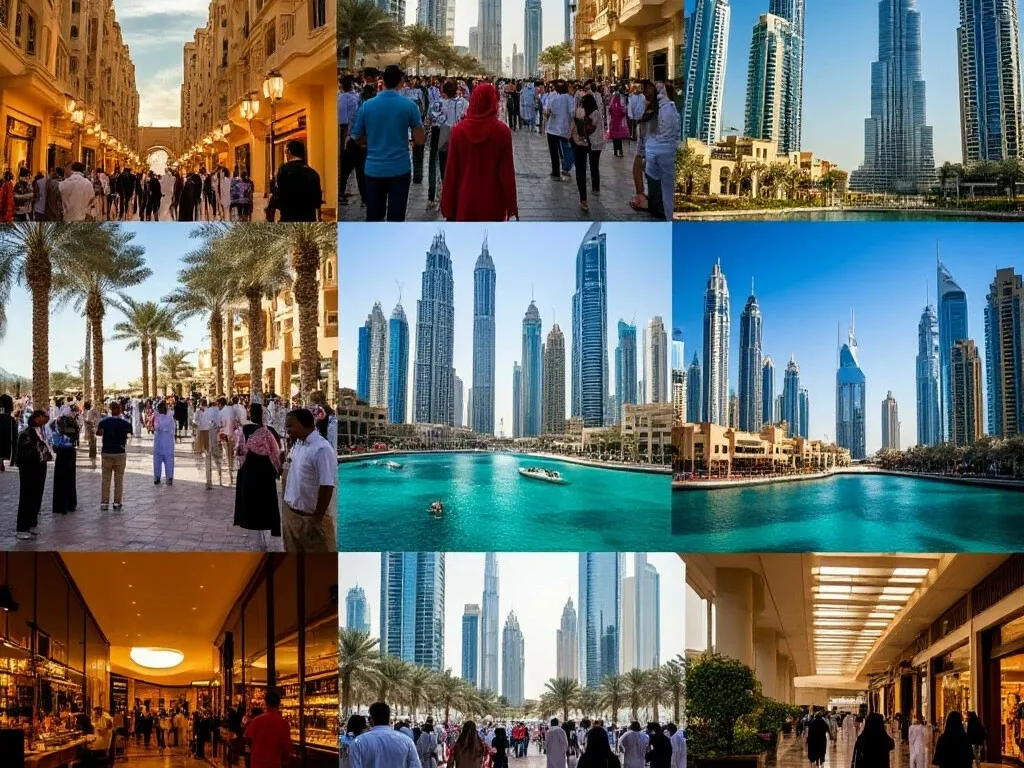
Dubai, the city of dreams and luxury, attracts millions of tourists all year round. However, like any major tourist hub, it is subject to pronounced seasonal fluctuations in demand and supply, particularly in the car rental industry. Understanding these cycles is crucial for rental operators, allowing them to optimize their fleets, pricing strategies, and marketing efforts.
Peak tourist season: winter and early spring
The period from November to April is traditionally the peak tourist season in Dubai. The comfortable temperatures, abundance of events, festivals, and sporting events make the city a magnet for travelers from all over the world. During these months, there is a significant increase in demand for car rentals. Tourists who want to explore the city freely, visit remote beaches, or embark on desert safaris are actively seeking transportation options.
This leads to higher rental prices due to the increasing demand and limited supply. Car rental companies often face full fleet utilization, especially for popular luxury and SUV models. Operators tend to prepare for this period in advance by increasing their fleets and hiring temporary staff.
Off-season: spring and autumn
The periods from April to May and from September to October are considered transitional or off-season. The temperature begins to rise significantly, and the tourist flow decreases somewhat. However, Dubai continues to attract business travelers and those who prefer to avoid the peak heat. The demand for car rentals remains stable, but not as high as during the winter months.
During this time, prices may be slightly lower, offering more affordable options for consumers. Car rental companies can use this period to perform fleet maintenance, update their models, and launch special promotions to attract customers.
Low season: summer
June, July, and August are months characterized by extreme heat in Dubai, which significantly reduces the tourist flow. The main group of visitors during this period is families seeking entertainment in air-conditioned shopping malls and indoor parks, as well as business travelers. The demand for car rentals during the summer months decreases significantly.
This time becomes a challenge for rental companies. To stimulate demand, they often offer significant discounts and special packages. Many operators may also choose to reduce their fleet by placing vehicles in long-term storage or selling them to minimize costs.
Offers and strategy
Analyzing seasonal changes allows car rental companies to develop tailored strategies. During peak seasons, it is crucial to ensure maximum availability of vehicles and optimize pricing. In low seasons, the focus is on attracting and retaining customers through attractive offers and flexible terms. Fleet management based on seasonal forecasting is key to profitability and sustainability in the dynamic Dubai environment.
To effectively manage seasonal fluctuations, car rental operators in Dubai should integrate demand analysis data with a flexible pricing management system.
During periods of high demand, real-time dynamic pricing can maximize revenue, but requires careful monitoring to avoid deterring customers. At the same time, “package” offers that include car rental and additional services such as excursions or accommodation can be appealing to tourists seeking a comprehensive solution.
When demand decreases, the pricing strategy should shift towards active discount campaigns and additional services. Loyalty programs, extended rental periods at discounted rates, or partnerships with hotels and airlines can encourage bookings during off-peak months. These initiatives not only help to replenish inventory but also strengthen customer relationships, which are crucial for the future of the business.
Strategic fleet management is of utmost importance
In the dead of winter, investing in additional vehicles or establishing partnerships with other rental agencies can ensure a sufficient supply. Conversely, in the dead of summer, reducing the number of active vehicles to minimize operating and maintenance costs becomes a priority. This may involve reallocating vehicles to markets with different seasonal conditions or exploring short-term rental opportunities with other businesses operating in the city.
Other useful blog articles:



Frequently Asked Questions


For non-residents:
International driving license
Local driving license of the country of origin
Passport
For UAE residents:
Passport
Emirates ID
Local driving license




RENT AND PAYMENT
Rent
Cars can be rented both on a daily basis and comprehensively, for a week, two weeks, a month, or more.
Payment
Payment can be made in cash, VISA, MasterCard, Russian cards or cryptocurrency.
Deposit will be refunded within 25 days.
Insurance
Delivery
Full coverage.
Free in Dubai.
DRIVER CONDITIONS
Docs
Driving experience
1+ years
Age
Passport and driver's license are required. International driver's licenses are also required for non-residents.
from 21+ years (depending on the car)